Machu Picchu brings together Inca architecture and a dramatic mountain setting. This archive story looks at the site’s cultural and natural significance. Travel4Real currently focuses on European vacations; this article is not an offer of a current Peru tour.
Contents
A mountain sanctuary
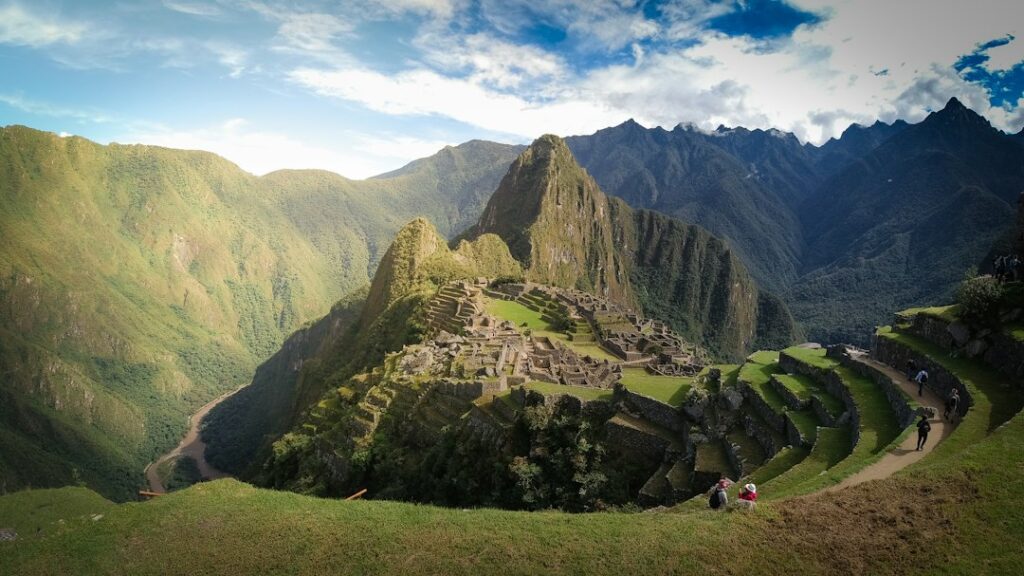
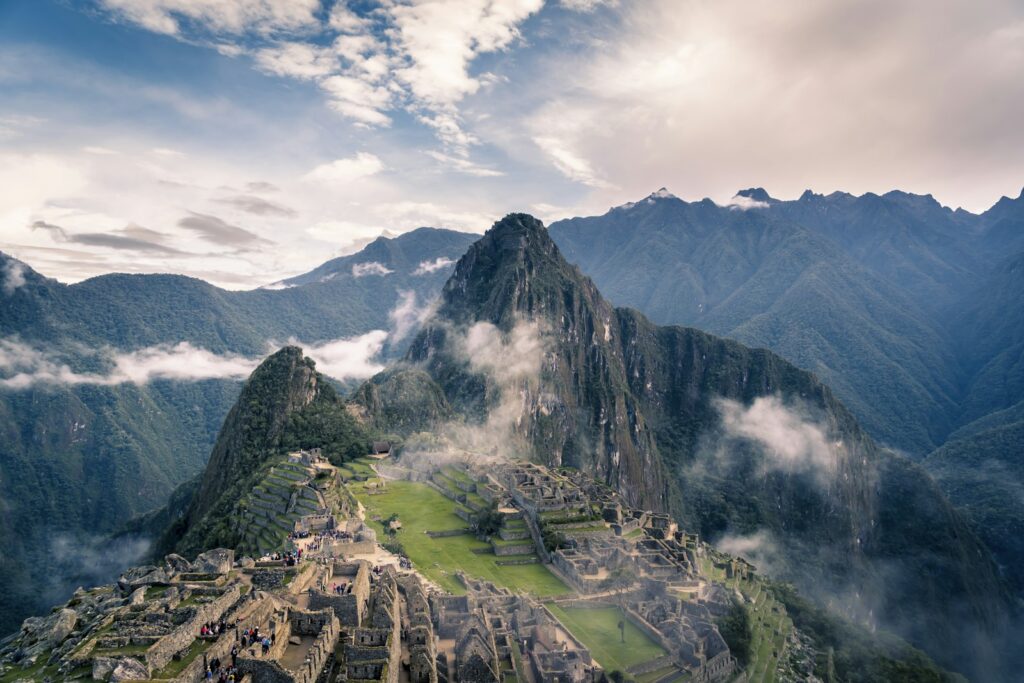
UNESCO describes Machu Picchu as standing about 2,430 meters above sea level in tropical mountain forest on the eastern slopes of the Andes. Its setting is part of its importance: buildings, terraces and paths relate closely to the surrounding landscape.
Stonework and terraces
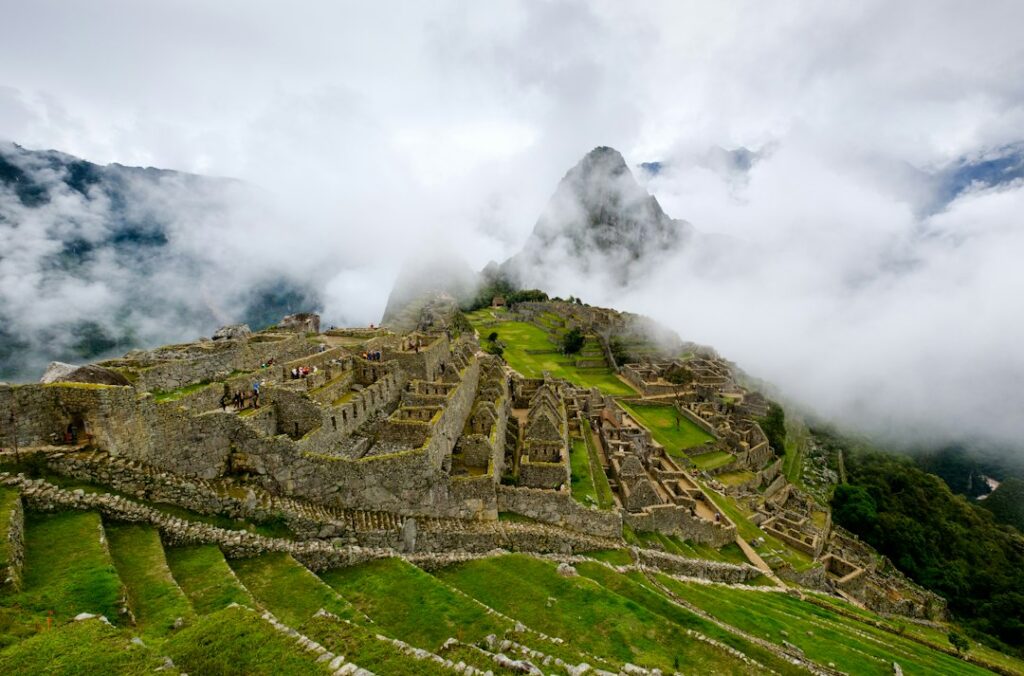
The walls, terraces and ramps show the care with which the site was fitted into steep terrain. Looking at the way structures meet the natural rock is a useful starting point for understanding its design.
For a deeper understanding of the engineering, look for a guide or museum resource that explains the construction in context.
History with room for uncertainty
Machu Picchu belongs to the Inca period, but its interpretation should distinguish evidence from popular stories. A specialist guide or museum resource can explain the different interpretations without turning them into certainties.
Cultural and natural heritage
The Historic Sanctuary was inscribed on UNESCO’s World Heritage List in 1983. Its significance includes both the archaeological site and the surrounding natural environment. “Seven wonders” lists are separate from UNESCO designation and should not be confused with it.
Reading and visiting responsibly
Use official site and government information for current admission arrangements, authorized routes and any travel planning.